Heat Exchangers

Plate Heat Exchanger Manufacturer in Ghana

When Choose Semi Welded plate heat exchanger? Choosing a Semi-Welded Plate Heat Exchanger is a strategic decision for specific scenarios where you need a balance of robustness and serviceability. Here is a clear, detailed guide on when to make this choice. The Primary Rule of Thumb Choose a Semi-Welded Plate Heat Exchanger when...

Plate Heat Exchanger Manufacturer in Kenya

When to Choose Fully welded Plate heat exchanger The decision to use a Fully Welded Plate Heat Exchanger is driven by the need for a robust, maintenance-free, and highly reliable heat transfer solution for demanding service conditions where other types of heat exchangers would fail. The Primary Rule of Thumb Choose a Fully Welded Plate Heat...

Plate Heat Exchanger Manufacturer in Tunisia

Semi Weld vs Full Welded PHE Comparison Table Choose a SEMI-WELDED PHE if… Choose a FULLY WELDED PHE if… Your Situation is… You have one “difficult” fluid and one “serviceable” fluid. Both of your fluids are “difficult” (corrosive, high P/T). Your Top Priority is… Safety against...
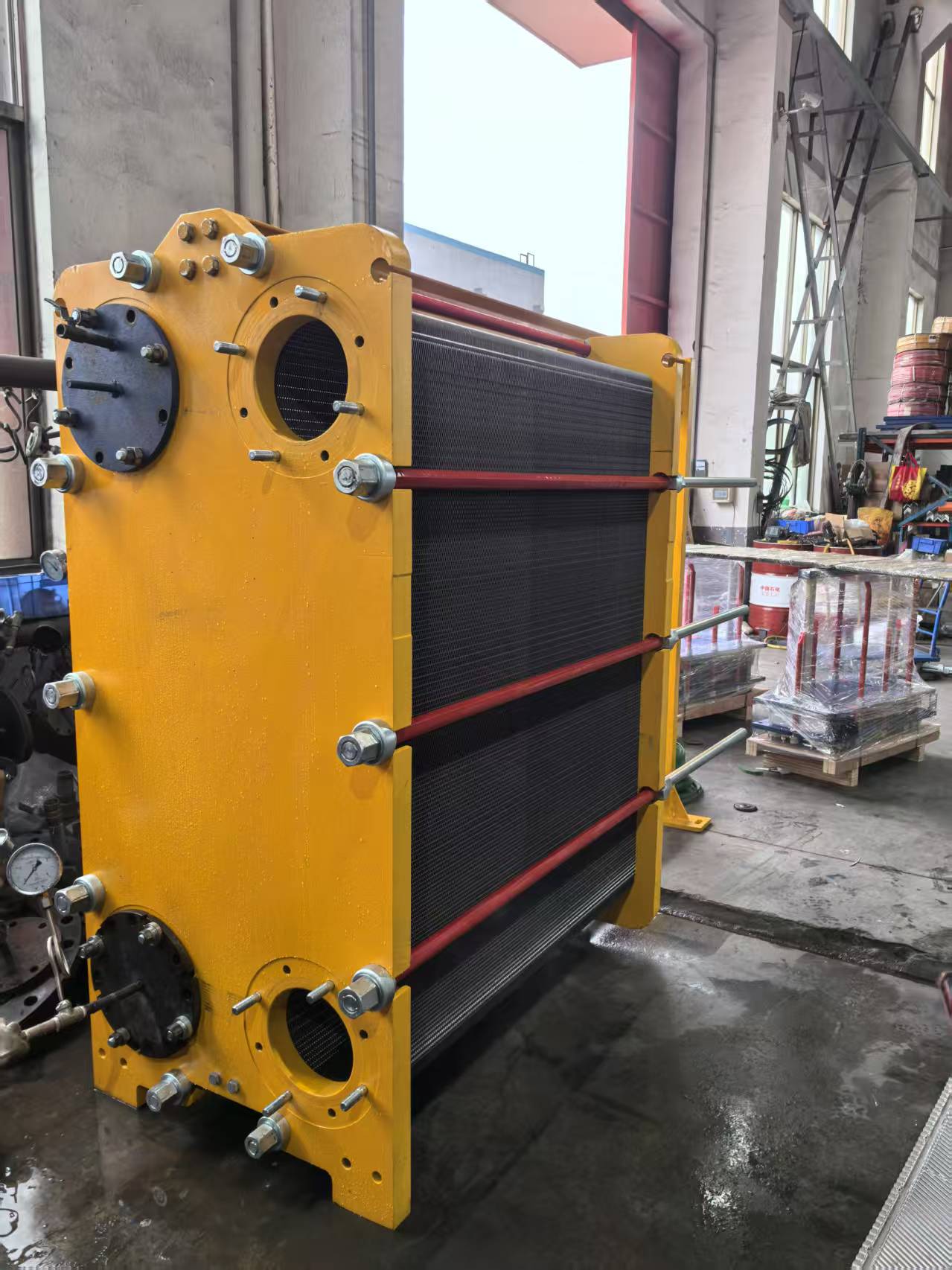
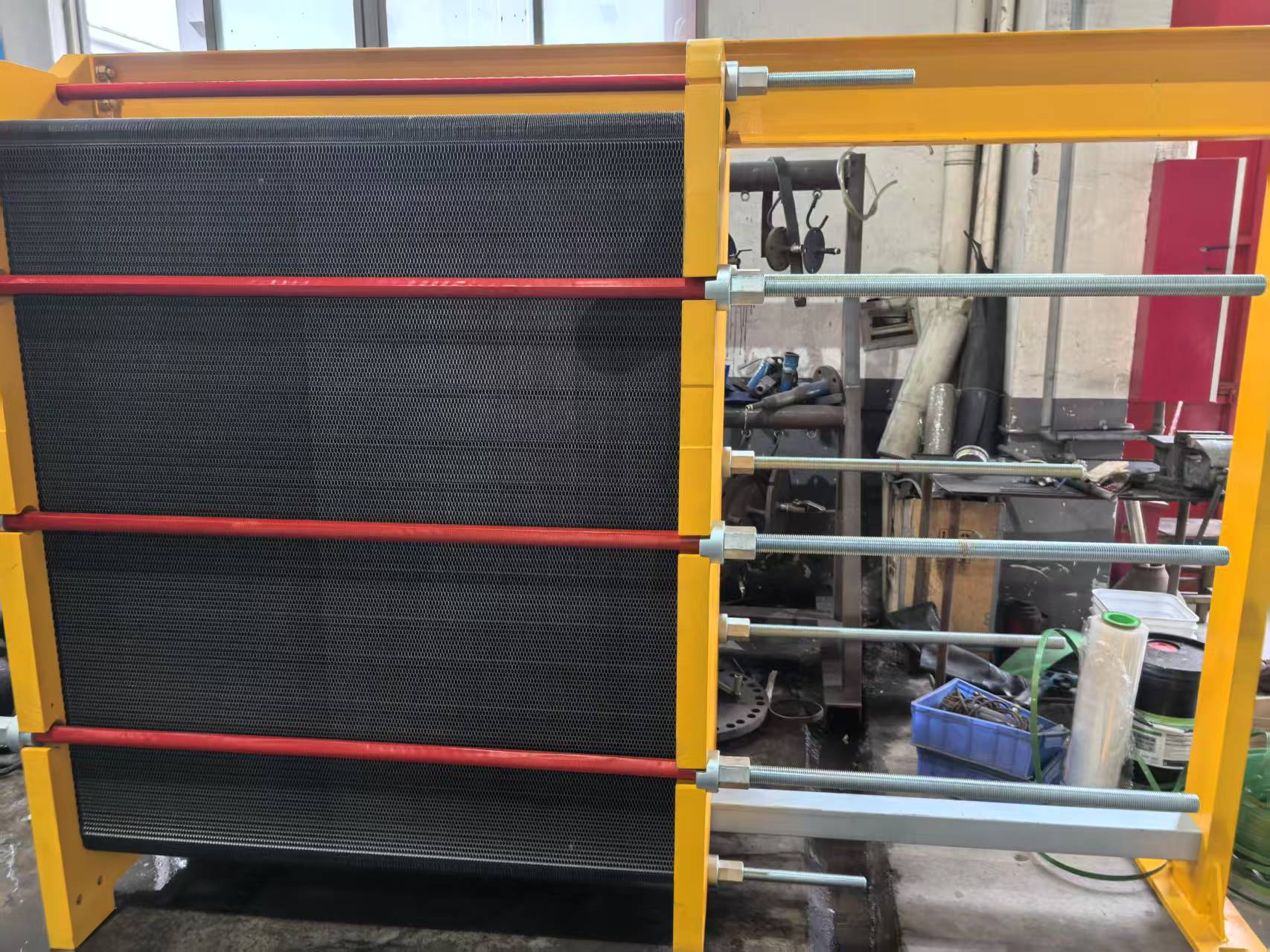
Plate Heat Exchanger Manufacturer in Ethiopia

What is a Fully Welded Plate Heat Exchanger? This is the heavy-duty, “seal it and forget it” option. It’s designed for the most demanding environments where gaskets of any kind are a liability. Key Advantage: Maximum resistance to temperature, pressure, and corrosive fluids on BOTH sides.

Plate Heat Exchanger Manufacturer in Algeria

Think of this as a “best of both worlds” hybrid. It’s designed for a specific scenario where you need to protect against one fluid but still need access for maintenance on the other. Key Advantage: It allows you to safely contain a difficult fluid while maintaining the ability to clean the other side.

Plate Heat Exchanger Manufacturer in Nigeria

Semi-Welded Plate Heat Exchanger vs Fully Welded Plate Heat Exchanger The choice between semi-welded and fully welded comes down to a trade-off between serviceability and ultimate robustness. Here’s a detailed comparison: Head-to-Head Comparison Table Feature Semi-Welded Plate Heat Exchanger Fully Welded Plate Heat Exchanger...

Plate Heat Exchanger Manufacturer in South Africa

Typical Applications of Welded Plate heat exchanger Welded Plate Heat Exchangers are the workhorses for tough industrial jobs:

Plate Heat Exchanger Manufacturer in Morocco

Advantages of Welded Plate Heat Exchangers

Plate Heat Exchanger Manufacturer in Lebanon

Types of Welded Plate Heat Exchangers There are two main configurations: 1. Fully Welded Plate Heat Exchanger This is the most common type referred to as “welded PHE.” The entire plate pack is welded together into a single, rigid block. There are no gaskets whatsoever. Implication: It is a permanent,...

Plate Heat Exchanger Manufacturer in Jordan

Key Features of Welded plate heat exchanger & How It’s Different The core distinction lies in its sealing method: This fundamental difference leads to all its unique characteristics. How It Works The operating principle is the same as other plate heat exchangers: two fluids flow on opposite sides of a metal plate, transferring heat...

Plate Heat Exchanger Manufacturer in Iraq

What is a Welded Plate Heat Exchanger? A Welded Plate Heat Exchanger is a type of heat exchanger where the thin metal plates are permanently welded together, rather than being sealed with gaskets. This construction creates a robust, sealed unit capable of handling temperatures, pressures, and fluids that are beyond the capabilities of...

Plate Heat Exchanger Manufacturer in Egypt

When to Choose a BRAZED Plate Heat Exchanger: Choose a BPHE when cost, compactness, and pressure capability are your top priorities in a clean system. Key Advantage of BPHE: It is a compact, cost-effective, and robust “install-and-forget” component for clean systems

Plate Heat Exchanger Manufacturer in Djibouti

When to Choose a GASKETED Plate Heat Exchanger: Choose a GPHE when serviceability and flexibility are your top priorities. Key Advantage of GPHE: It is a serviceable, flexible, and forgiving system.

Plate Heat Exchanger Manufacturer in Qatar

Gasket Plate Heat Exchanger Vs Brazed plate heat exchanger Gasketed Plate Heat Exchangers (GPHE) vs. Brazed Plate Heat Exchangers (BPHE). The core difference lies in the sealing method, which drives all other differences in application, maintenance, and capability. Head-to-Head Comparison Table Feature Gasketed Plate Heat Exchanger (GPHE)...

Plate Heat Exchanger Manufacturer in Kuwait

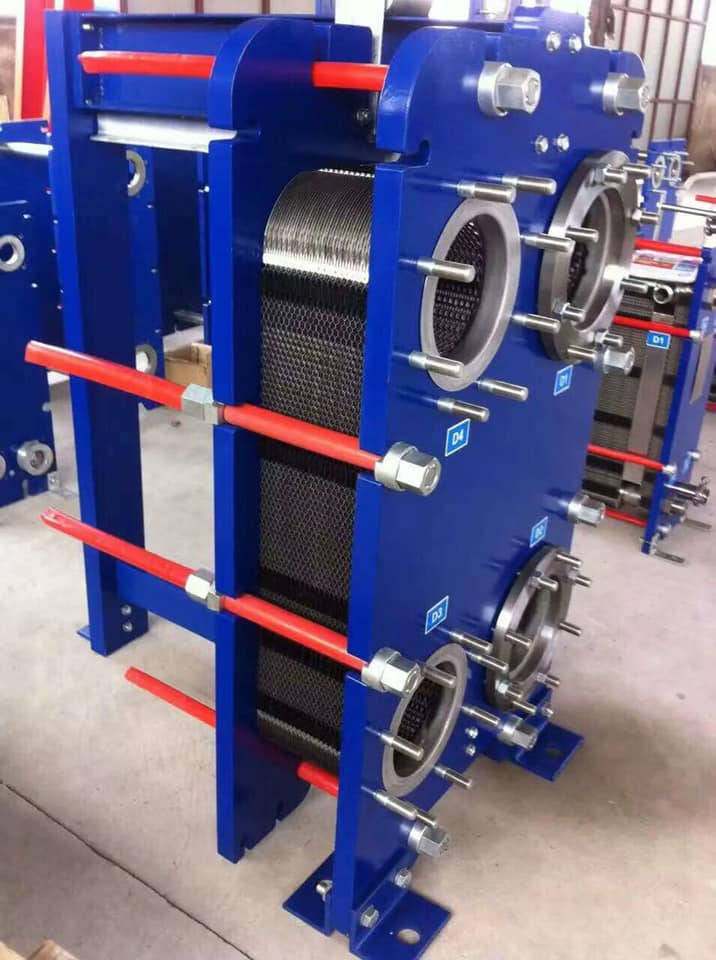
1. Gasketed Plate Heat Exchanger This is the most common and classic type, described in the previous answer. It consists of plates sealed with gaskets and held together in a frame.

Plate Heat Exchanger Manufacturer in Bahrain

The Brazed Plate Heat Exchanger (BPHE) A popular variant is the Brazed Plate Heat Exchanger. In this type, the plates are brazed together in a vacuum furnace using copper or nickel as the brazing material. This creates a permanent, sealed unit without gaskets or a frame.

Plate Heat Exchanger Manufacturer in Yemen

Common Applications of Plate Heat Exchanger You will find Plate Heat Exchangers in many every day and industrial systems:

Plate Heat Exchanger Manufacturer in Oman

Advantages of Plate Heat Exchangers

Plate Heat Exchanger Manufacturer in United Arab Emirates

Components of Plate Heat Exchanger

Plate Heat Exchanger Manufacturer in Saudi Arabia

The fundamental principle is indirect heat transfer. The two fluids flow on opposite sides of each plate, and heat moves from the hotter fluid to the colder one through the plate material without the fluids ever mixing. Here’s a step-by-step breakdown:

Plate Heat Exchanger Manufacturer in India

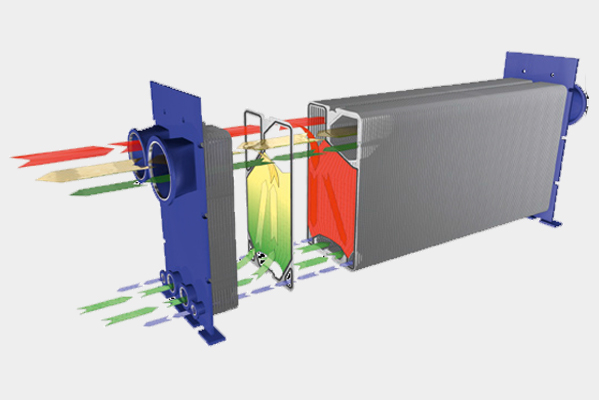
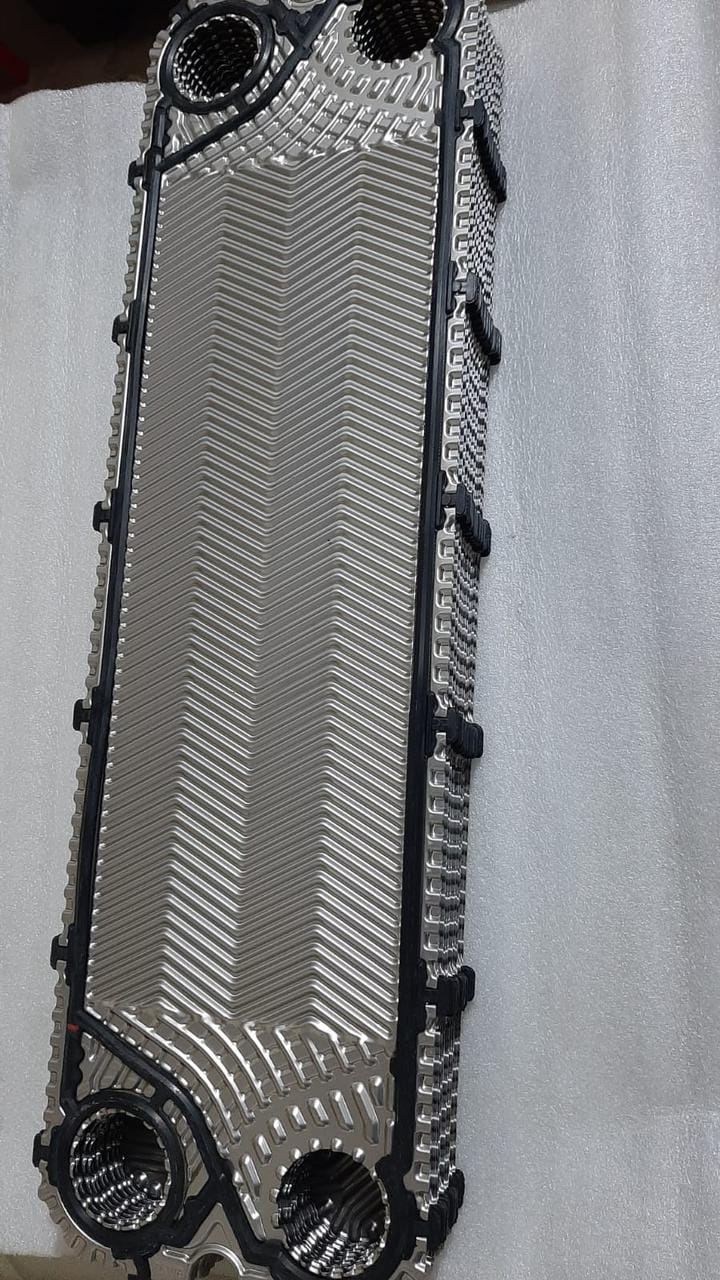
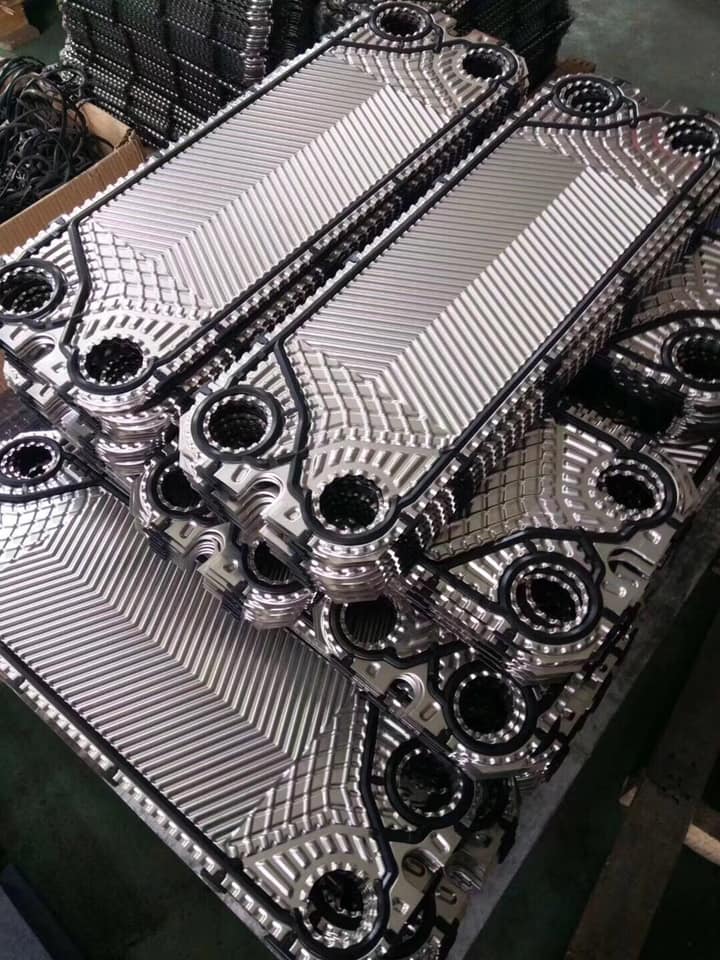
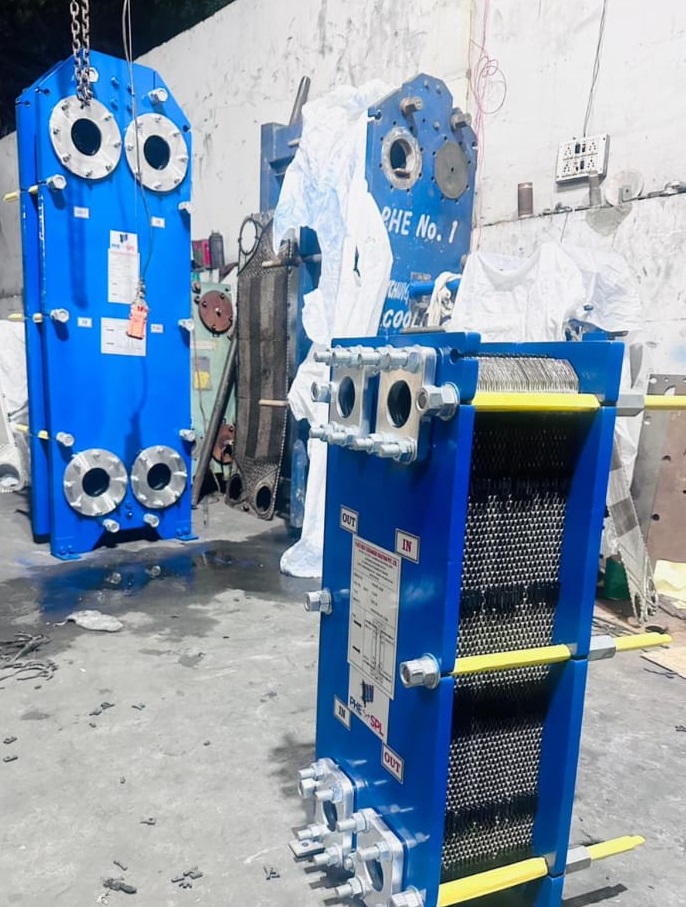
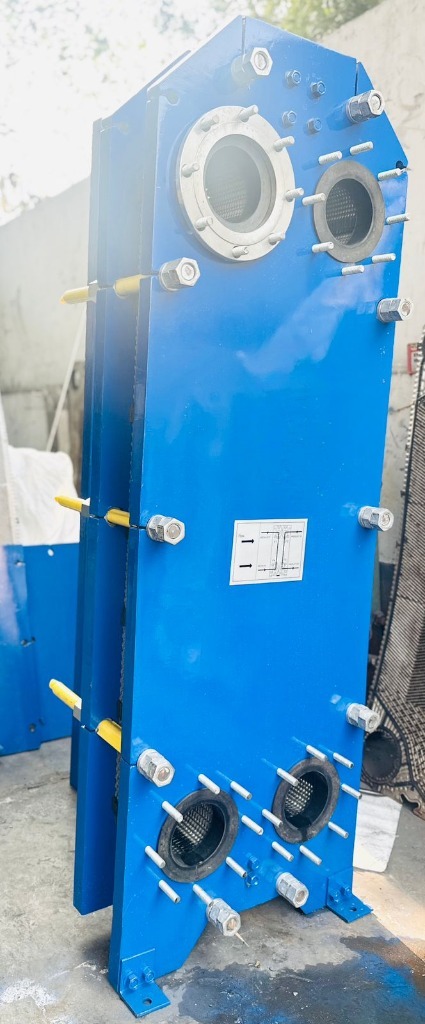
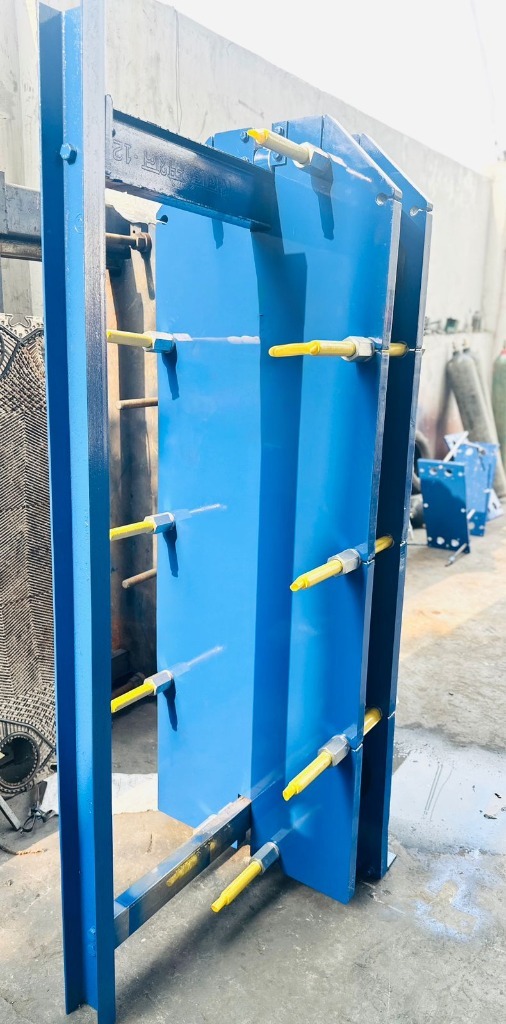
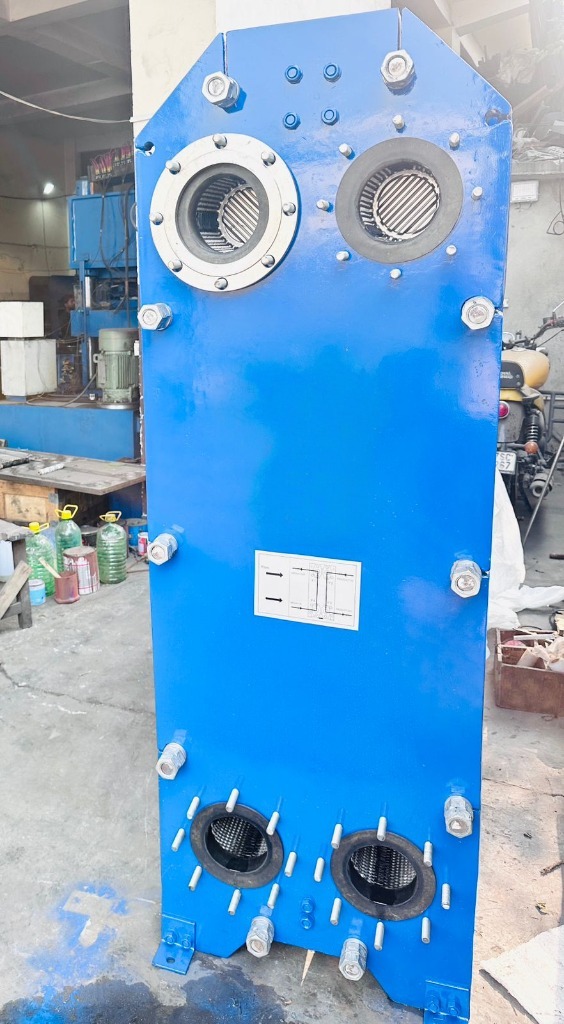
A Plate Heat Exchanger (PHE) is a compact type of heat exchanger that uses a series of thin, corrugated metal plates to transfer heat between two fluids. These plates are stacked together, creating alternating channels for the hot and cold fluids to flow through. The close proximity and large surface area of the plates allow for highly...

Dry Cooling tower manufacturer in Karnataka

Cellulose Pad vs. Misting Nozzles in Dry cooling Tower The choice between Cellulose Pads and Misting Nozzles fundamentally comes down to a trade-off between efficiency/maintenance and cost/footprint. Both systems serve the same primary purpose: to pre-cool the air entering a dry cooler by evaporating water,...

Heat exchanger suppliers Tamil Nadu

Precision Thermal Solutions: Heat Exchanger Suppliers in Tamil Nadu Tamil Nadu stands as a powerhouse of industrial manufacturing in India, particularly in engineering, automotive, and chemicals. This robust industrial ecosystem is supported by a large number of Heat Exchanger Suppliers and Manufacturers located primarily in major hubs like Chennai...

Heat Exchanger Manufacturers Coimbatore

🏭 Find Your Thermal Solution: Leading Heat Exchanger Manufacturers in Coimbatore Coimbatore, often recognized as the “Manchester of South India,” is a major industrial hub with a strong presence in engineering, textiles, and manufacturing. This thriving environment has fostered a cluster of specialized Heat Exchanger Manufacturers...

Cooling Tower Repair Services Near Me

Restore Peak Performance: Expert Cooling Tower Repair Services Your cooling tower is the engine that drives your facility’s climate control and industrial processes. When it falters, the result is crippling: inefficient cooling, soaring energy bills, and costly downtime. Investing in professional Cooling Tower Repair Services is not just...

FRP Cooling Towers Components

Inside the Efficiency Machine: Key Components of FRP Cooling Towers Fiberglass Reinforced Plastic (FRP) Cooling Towers are the modern standard for heat rejection in commercial and industrial applications. Prized for their superior corrosion resistance, lightweight nature, and long service life, these towers are critical for maximizing the...

Plate Heat Exchanger Manufacturer in Bangladesh

Choose a Plate Heat Exchanger when: Choose a Shell and Tube Heat Exchanger when:

Plate Heat Exchanger Manufacturer in Sri Lanka

1. Plate Heat Exchanger (PHE) A PHE consists of a series of thin, corrugated metal plates clamped together in a frame. Gaskets seal the plates and direct the fluids into alternating channels. Advantages: 2. Shell and Tube Heat Exchanger (STHE) A STHE consists of a bundle of tubes enclosed in a cylindrical shell. One fluid […]

Plate Heat Exchanger Manufacturer in South Sudan

Plate heat exchanger vs Shell and tube heat exchanger Feature Plate Heat Exchanger (PHE) Shell and Tube Heat Exchanger (STHE) Compactness & Space Very compact. High surface area to volume ratio. Saves significant space. Bulky and large. Requires more floor space and headroom. Heat Transfer Efficiency Very high. Turbulent flow at...

Plate Heat Exchanger Manufacturer in South Africa

Key Advantages of Titanium Plates Choose titanium plates when:
1 5 6 7 33